


THCA and CBD: An Overview
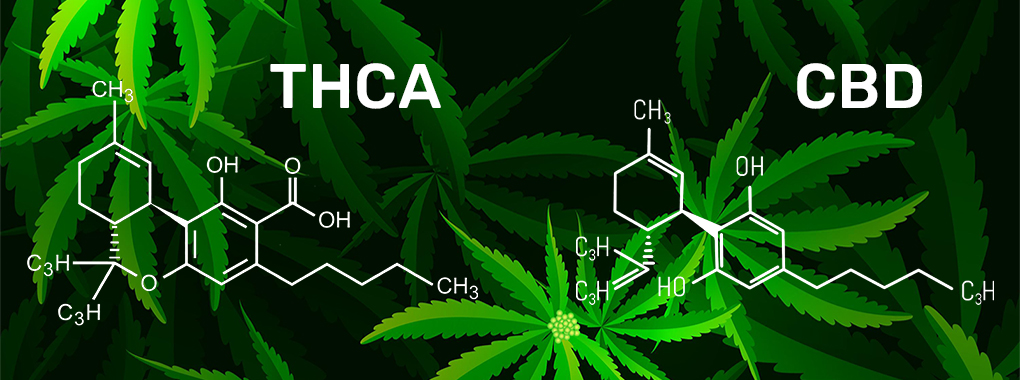
As interest in cannabis products grows, cannabinoids such as THCA and CBD are becoming increasingly relevant. Both THCA (tetrahydrocannabinolic acid) and CBD (cannabidiol) are compounds found naturally in the cannabis plant, but they have different properties and functions. Here we go through what they are, how they are formed, their potential uses, and the Swedish legislation surrounding these cannabinoids. Remember that the uses are still at an early stage of research - and no conclusions can be drawn yet.
WHAT IS THCA?
THCA is an acid form of THC, the best-known cannabinoid in cannabis, which in Sweden is classified as a narcotic drug and subject to its laws.
THCA is non-psychoactive, which means that it does not cause the effects usually associated with THC. THCA is found in fresh cannabis leaves and flowers and is formed when cannabis grows.
Chemical Structure and Biosynthesis
THCA has the chemical formula C22H30O4. It is an acid-bearing form of THC and is characterized by a carboxyl group (-COOH) which makes it non-psychoactive. This carboxyl group makes THCA stable at room temperature and gives it unique properties in its natural forms.
THCA is formed in the cannabis plant by biosynthesis from CBGA (cannabigerolic acid), which is the so-called ‘mother cannabinoid’. It is converted to THC through a process called decarboxylation, which occurs when cannabis is heated. This means that THCA is more prominent in raw, unprocessed cannabis. The process looks like this:
- CBGA: As the cannabis plant grows, CBGA is produced.
- Conversion to THCA: Enzymes in the plant convert CBGA to THCA. This process involves a series of enzymatic reactions that differ between different cannabis strains, which can affect the amount and type of cannabinoids produced.
Research on the potential uses of THCA is ongoing in several countries where cannabis is legal for medical or scientific use. Here are some current examples of countries conducting research on THCA:
- USA: Many states in the USA have legalized cannabis for medical use, which has led to extensive research on both THCA and other cannabinoids. Universities and research institutes, such as the University of California and Colorado State University, are exploring THCA's effects on inflammation and neurodegenerative diseases.
- Canada: With the legalization of cannabis for both medical and recreational use, Canada has become a leading nation in cannabis research. Several research projects focus on THCA's potential health benefits and its role in various medical conditions.
- Israel: Israel is known for its prominent cannabis research, especially in medical use. Several research centers, including the Hebrew University in Jerusalem, are studying cannabinoids, such as THCA, and their effects on various diseases.
- Germany: Following the legalization of medical cannabis, Germany has seen an increase in research initiatives. German universities and companies are exploring cannabinoids, including THCA, to understand their therapeutic potential.
- Australia: In Australia, research is underway on medical cannabis which also includes THCA. Several universities and research institutes are working on studying the effects of cannabinoids on various diseases and conditions.
As THCA is not classified as a narcotic in Sweden in its pure form, it may be legal to use in some contexts, but this depends on several factors. Using THCA for e.g. aromatherapy could be considered as an alternative use. If the product with THCA also contains THC, it could be considered illegal, especially if it exceeds 0.3% THC. Our THCA products of course only contain legal levels.
It is important to note that the regulation surrounding cannabinoids can be complex and it is always good to consult current laws and guidelines or legal advice to get a clear picture of what applies to your intended use.
WHAT IS CBD?
CBD is another important cannabinoid extracted mostly from the hemp plant. Like THCA, CBD is non-psychoactive and has received a lot of attention for its potential health benefits.
How is CBD formed?
CBD is also formed by biosynthesis in the cannabis plant, mainly from CBGA (cannabigerolic acid). It can be extracted from both marijuana and hemp, making it available in various forms, including oils, capsules, and creams.
CBD has become popular for its potential health benefits, such as:
• Stress and anxiety relief: Many studies suggest that CBD can help reduce stress and anxiety.
• Sleep improvement: Users often report improved sleep quality.
• Pain relief: CBD is being explored for its effects on various types of pain, including chronic pain.
CBD in Sport and Fitness
CBD has become increasingly popular among athletes and fitness enthusiasts for its potential benefits. Several studies and anecdotal evidence suggest that CBD can have positive effects in the following areas:
• Pain relief: CBD can help relieve muscle and joint pain after exercise. By interacting with the body's endocannabinoid system, CBD can modulate pain signals and inflammation, making it an interesting option for recovery after intense exercise.
• Anxiety and Stress: Many athletes experience performance anxiety, and CBD's calming properties can help reduce stress and anxiety before competitions. This can contribute to a more focused and relaxed performance.
• Sleep improvement: Good sleep is crucial for recovery and performance. CBD has been shown to improve sleep quality, which can be an important factor for athletes who need to maximize their recovery.
• Inflammation reduction: After hard training, inflammation can occur, which can negatively impact recovery. CBD's anti-inflammatory properties can help reduce this inflammation, potentially leading to faster recovery and less muscle soreness.
• Appetite regulation: Some athletes use CBD to manage appetite and eating habits, which can be particularly important during competition seasons or when trying to lose weight.
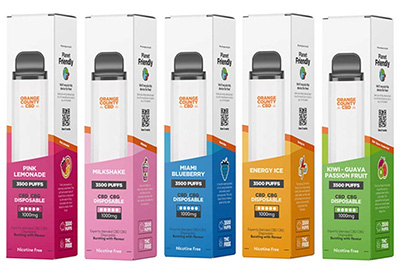
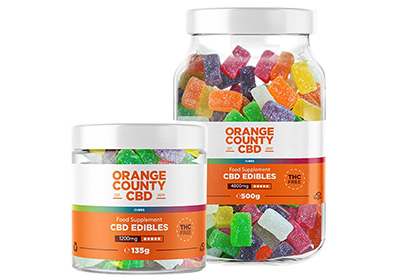
Several professional sports federations, including the World Anti-Doping Agency (WADA), have removed CBD from their list of prohibited substances, opening doors for more athletes to explore its use. This has led to an increased acceptance and interest in CBD within the sporting world. To support this, we have an ongoing partnership with FCR MMA and several Smoketower-sponsored MMA fighters and boxers, giving practitioners the opportunity to explore the potential benefits of CBD for themselves, with brands such as Orange County, with their high-quality, broad-spectrum products, gaining widespread acceptance and popularity among users.
Are you active in sports and looking for sponsors and partners? Contact our support!
support@smoketower.com / 08-730 00 70.
SWEDISH LEGISLATION ON THCA & CBD
In Sweden, industrial hemp is regulated by laws that follow EU guidelines. According to the EU regulation on industrial hemp, it is allowed to grow hemp that contains a maximum of 0.3% THC (tetrahydrocannabinol).
THCA is not directly classified as a narcotic drug per se, but it can be considered illegal in the context of cannabis products containing THC. Since THCA is converted to THC by heating, products that contain THCA but can also give rise to THC are in practice illegal. This means that it is perfectly legal to possess THCA in its raw form, but it must not be decarboxylated/combusted/vaporized as it is converted into the narcotic cannabinoid THC. Therefore, always store your THCA products in e.g. a refrigerator to ensure that you are not breaking the law - and keep receipts and packaging so that you can always show that you have bought a legal product.
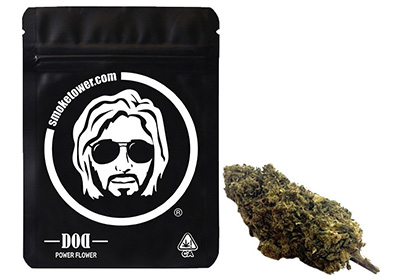
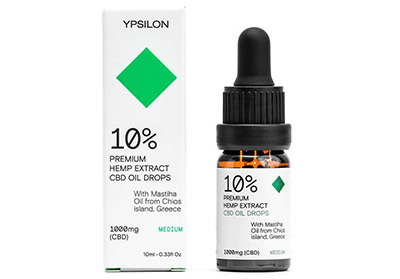
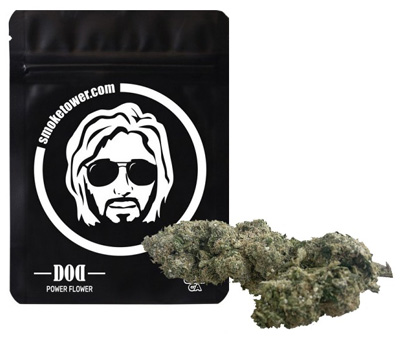
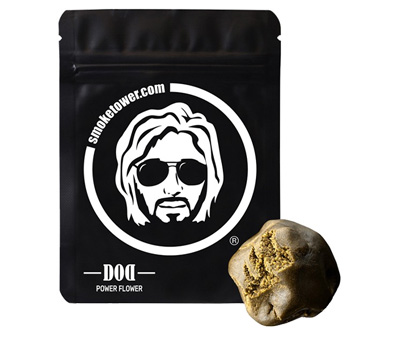
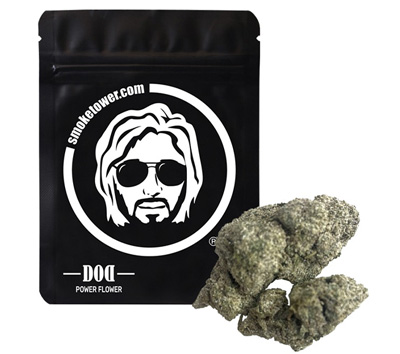
CBD products may be legal in Sweden if they contain less than 0.3% THC. However, these products cannot be marketed with claims of medical benefits without authorization. Here at Smoketower, we are not doctors and can therefore neither guarantee nor advise on the medical use of the products, but with us, you can safely and at your own risk explore the wide range of CBD that the market offers. In addition to oils and creams, you will find buds, hash, isolates, and vapes with CBD. Discover Kush Vape, Orange County, Magu, and PhytoRemedy with a unique broad-spectrum recipe! In our own collection of CBD flowers and bubbles, you can determine your own quantity from 1 gram upwards while stocks last. All CBD products in our range are lab-tested by third parties to ensure quality and legality. However, as with THCA, it is always a good idea to save receipts and packaging to always be able to prove that you have purchased legal products.
All buds and hashish products in our range are from EU-certified industrial hemp and contain a maximum of 0.3% THC according to SOU:2016:93 (fr.p303), ensuring that they are in line with both Swedish and EU laws.
 |
 |
 |
 |
Both THCA and CBD are interesting cannabinoids with unique properties. The legality of THCA is a grey area, which is why we sell THCA as potpourri for e.g. aromatherapy. All products are kept refrigerated as recommended to avoid decarboxylation - hence you can always trust that what you buy is legal. However, we take no responsibility for how you choose to handle the product after purchase.
 |
 |
 |
By understanding what THCA and CBD are, as well as how Swedish legislation affects their use, you can better navigate the world of cannabis products and choose the one that best suits your needs.
Updated post from 2024-09-11.