


DEEP DIVE: Vad ger cannabis dess doft? Ny forskning visar att det inte bara är terpener
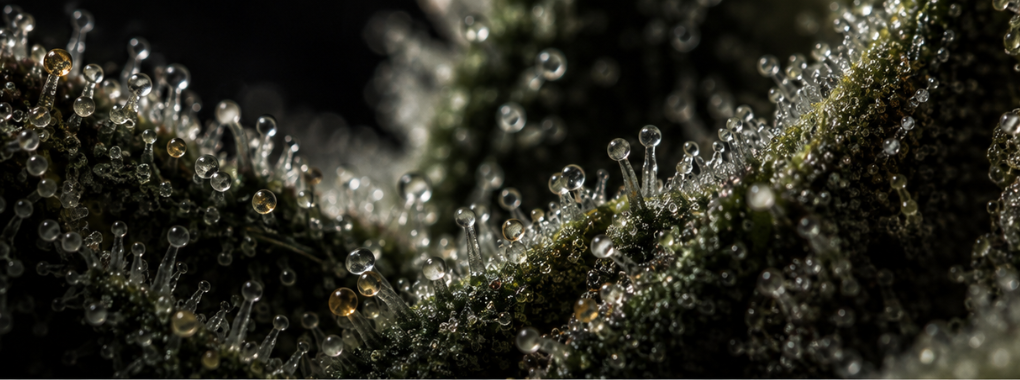
Ny forskning avslöjar hemligheterna bakom cannabisens doft
Fruktigt. Citrus. Tall. Diesel. Skunk. Jord. Godis. Tropisk frukt.
Få växter har ett aromatiskt register som cannabis. Och under lång tid har förklaringen varit ganska enkel: terpener.
Myrcen. Limonen. Caryophyllen. Linalool. Pinene.
Har man någon gång läst beskrivningen av en strain har man förmodligen sett dem uppradade tillsammans med små förklaringar om vilka aromer de bidrar med. Och det är inte fel. Terpener är en viktig del av cannabisplantans kemi och bidrar till dess doft.
Problemet är bara att de inte verkar kunna förklara hela doften.
När forskare började jämföra cannabisens kemiska profiler med hur olika sorter faktiskt upplevdes av människors näsor dök det nämligen upp en ganska besvärlig detalj:
Cannabis med liknande terpenprofiler kan lukta väldigt olika.
Och plötsligt blev frågan betydligt mer intressant.
När kemin och näsan inte är överens
I en studie publicerad i ACS Omega 2023 analyserade forskare den flyktiga kemin hos olika cannabissorter och kombinerade analysen med sensoriska bedömningar.
De vanligaste terpenerna, däribland β-myrcen, limonen, β-caryophyllen och terpinolen, förekom i relativt likartade mönster även hos sorter vars aromer upplevdes som tydligt olika.
När forskarna istället tittade på ämnen som förekom i betydligt mindre mängder började skillnaderna mellan sorterna bli mycket tydligare.
Det handlade bland annat om estrar, alkoholer, indoler och olika flyktiga svavelföreningar.
Med andra ord:
De ämnen det finns mest av behöver inte vara de ämnen din näsa bryr sig mest om.
Och här behöver vi prata lite om hur lukt faktiskt fungerar.
Lite kemi. Väldigt mycket lukt.
För att vi ska kunna känna lukten av någonting måste molekyler kunna lämna materialet, färdas genom luften och nå våra luktreceptorer.
Sådana ämnen brukar beskrivas som flyktiga organiska föreningar, eller VOC:er efter engelskans volatile organic compounds.
Terpener är VOC:er, men VOC är en betydligt större kemisk familj än bara terpener.
Och olika molekyler har dramatiskt olika lukttrösklar.
Det betyder att ett ämne som förekommer i mycket liten koncentration ändå kan dominera vår upplevelse av en doft om människans näsa är extremt känslig för just den molekylen.
Enkelt sagt:
Mest molekyler vinner inte automatiskt.
En kemisk analys kan visa stora mängder av ämne A och bara spår av ämne B. Men om vår lukttröskel för B är väldigt låg kan det ändå vara B som får hjärnan att skrika:
"Japp. DET är vad jag känner."
Det är en viktig pusselbit i varför cannabisens aromatiska kemi länge varit svårare att förstå än en enkel lista över de vanligaste terpenerna antyder.
Okej. Men varför luktar cannabis… skunk?
Här blir det riktigt kul.
Den karakteristiska skunkiga, stickande och ibland nästan bensinliknande doften hos vissa cannabissorter har länge förknippats med terpener.
Men 2021 identifierade forskare en tidigare okänd familj av prenyliserade flyktiga svavelföreningar, förkortat VSC:er, i cannabis.
Särskilt en molekyl stack ut:
3-methyl-2-butene-1-thiol, kallad VSC3 i studien.
Forskarna kunde koppla den starkt till den karakteristiska skunkdoften.
Och om ordet thiol får gymnasiekemin att börja flimra framför ögonen kan vi förenkla det rejält:
Thioler är svavelhaltiga organiska föreningar, och vissa av dem är exceptionellt potenta luktämnen.
Det är alltså inte särskilt konstigt att en relativt liten mängd kan göra ett stort sensoriskt avtryck.
Ännu roligare blir det när man tittar på släktskapet med andra lukter vi känner igen.
Liknande svavelkemi förekommer bland annat i skunkars försvarsspray, humle och vitlök.
Cannabisens berömda "skunk" är alltså inte bara ett fantasifullt strainnamn.
Det finns faktisk kemi bakom associationen.
Och doften förändras efter skörden
Forskarna nöjde sig dessutom inte med att identifiera svavelföreningarna.
De följde hur koncentrationen förändrades under plantans utveckling och efter skörd.
VSC-halterna ökade kraftigt under de sista veckorna av blomningen, nådde sin högsta nivå under curing-processen och började sedan minska redan efter ungefär en veckas lagring.
Det ger oss en kemisk förklaring till något många som hanterat cannabis redan känner till rent sensoriskt:
Doften är inte statisk.
Det du luktar på är ett kemiskt ögonblick.
Plantans aromatiska profil fortsätter förändras genom blomning, skörd, curing och lagring.
Temperatur, tid, oxidation och hur flyktiga olika ämnen är påverkar vilka molekyler som faktiskt finns kvar när du öppnar en behållare.
Men skunk var bara början
När forskarna fortsatte arbetet dök ännu fler överraskningar upp.
I studien från 2023 identifierades ytterligare svavelföreningar kopplade till helt andra aromer.
En grupp innehållande den så kallade 3-mercaptohexyl-funktionaliteten korrelerade med tydligt citrus- och tropiskt fruktiga aromer hos vissa sorter.
Det är intressant eftersom sådana aromer annars väldigt lätt förklaras med:
"Den innehåller mycket limonen."
Citron → limonen.
Case closed.
Fast tydligen inte.
Forskarna fann att mindre, icke-terpenbaserade föreningar kunde vara starkt kopplade till just de aromatiska egenskaper som gjorde vissa sorter sensoriskt särskiljbara.
Det betyder inte att limonen plötsligt slutat lukta citrus.
Det betyder att "den luktar citrus eftersom den innehåller limonen" kan vara en väldigt ofullständig förklaring.
Från tropisk frukt till… skatole
Och nu blir cannabisens kemiska garderob ännu märkligare.
Forskarna identifierade även skatole, eller 3-methylindole, som en viktig komponent bakom den mer kemiska eller savoury-liknande aromen hos vissa sorter.
Skatole är ett fascinerande ämne eftersom dess doftupplevelse förändras kraftigt beroende på koncentration och vilka andra aromämnen som finns omkring det.
I högre koncentrationer förknippas det knappast med något man skulle vilja ha som doftljus hemma.
I mycket låga koncentrationer kan indoliska ämnen däremot bidra till betydligt mer komplexa aromatiska upplevelser.
Och där börjar vi närma oss en viktig poäng.
Cannabisdoft är en cocktail, inte en ingredienslista
Vi människor vill gärna göra komplex kemi begriplig genom att dela upp den.
Limonen = citrus.
Pinene = tall.
Linalool = blommigt.
Myrcen = jordigt.
Det är pedagogiskt och lätt att komma ihåg.
Men en verklig arom fungerar inte riktigt så.
Vad vi uppfattar är resultatet av många molekyler samtidigt, i olika koncentrationer och med olika lukttrösklar, som dessutom kan förstärka, maskera eller förändra hur andra komponenter uppfattas.
Tänk mindre:
"Vilken molekyl luktar det här?"
Och mer:
"Vilken kemisk orkester får min hjärna att uppleva just den här doften?"
En ensam fiol är fortfarande en fiol. Men det är inte samma sak som att höra hela symfonin.
Så har terpenerna varit en lögn?
Nej.
Och det är viktigt att inte dra forskningen längre än forskarna själva gör.
Terpener är fortfarande centrala komponenter i cannabisens flyktiga kemi och bidrar till plantans karakteristiska arom. De kan också vara användbara för att skilja mellan cannabisvarianter på en bredare kemisk nivå.
Det forskningen ifrågasätter är snarare hur mycket förklaringskraft vi har gett dem när det gäller de specifika aromer som gör en sort sensoriskt unik.
Terpenprofil och doftprofil är alltså inte samma sak.
Eller ännu enklare:
Vi hade inte fel om terpenerna. Vi trodde bara att de berättade mer av historien än de faktiskt gjorde.
Varför upptäckte vi inte det här tidigare?
Delvis därför att det är svårt att leta efter något man inte vet att man ska leta efter.
Många standardanalyser har fokuserat på redan kända och relativt rikligt förekommande terpener. Ämnen som finns i extremt små koncentrationer riskerar då att hamna långt ner på listan eller helt utanför analysens fokus.
Forskargruppen bakom VSC-studien använde bland annat avancerad tvådimensionell gaskromatografi tillsammans med masspektrometri och svavelkemiluminiscens.
Det låter ungefär lika lättillgängligt som det är.
Med andra ord:
De separerade en mycket komplex blandning av flyktiga ämnen och använde olika detektionsmetoder för att identifiera molekyler som annars lätt hade kunnat drunkna i det kemiska bruset.
När analysmetoderna blir känsligare förändras därför också vår bild av plantan.
Inte nödvändigtvis för att kemin är ny. Vi har bara blivit bättre på att se den.
Vad betyder det här framåt?
Här blir forskningen större än frågan om varför en strain luktar mango och en annan luktar som att någon öppnat en bensindunk i en tallskog.
Om specifika aromer drivs av betydligt fler ämnesklasser än vi tidigare förstått påverkar det hur cannabis kan analyseras, klassificeras och beskrivas.
Det kan också få betydelse för förädling och odling. Om målet är en viss aromatisk egenskap räcker det kanske inte att selektera plantor utifrån höga nivåer av en viss terpene.
Och för konsumenten innebär det framför allt att de där små staplarna över myrcen, limonen och caryophyllen inte är någon fullständig aromatisk innehållsförteckning.
De är några instrument i orkestern. Inte hela bandet.
Ju mer vi lär oss, desto märkligare blir plantan
Det är kanske det mest intressanta med den här forskningen.
Cannabis är en av världens mest kulturellt laddade växter, men samtidigt finns fortfarande grundläggande frågor om dess kemi som forskningen håller på att reda ut.
Varför luktar den som den gör?
Vilka molekyler gör olika sorter unika?
Hur förändras aromen under plantans liv och efter skörd?
För bara några år sedan hade många av oss svarat:
Terpener.
Idag är det bättre svaret:
Terpener. Svavelföreningar. Estrar. Alkoholer. Indoler. Och förmodligen en hel del kemi vi fortfarande inte har förstått fullt ut.
Vilket, om du frågar oss, gör det hela betydligt mer intressant.
Vill du ha nästa djupdykning direkt i inkorgen?
Bli medlem och signa upp dig på vårt nyhetsbrev så missar du inte nästa gång vi gräver ner oss i forskning, kultur, teknik och allt annat vi råkar bli orimligt nyfikna på.
Fortsätt ner i kaninhålet
|
|
|

.png)
.png)
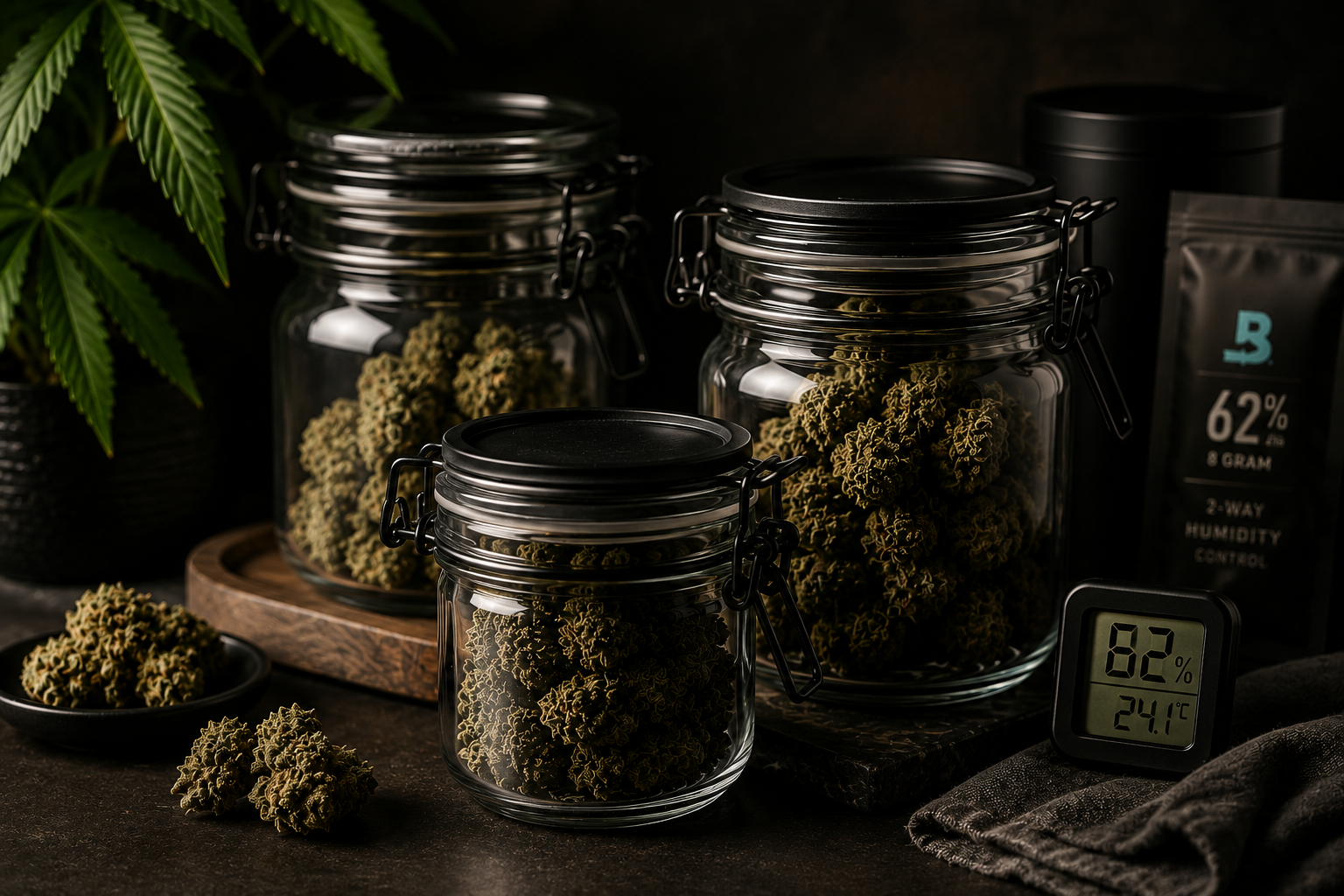
Aromer är flyktiga. Hur du förvarar ditt material spelar därför roll för vad som händer med det över tid.
|
|
|

Vad ska vi nörda ner oss i nästa gång?
Har du någon fråga inom cannabis, kultur, vetenskap eller teknik som du alltid undrat över? Hör av dig till oss. Det kanske blir nästa djupdykning.